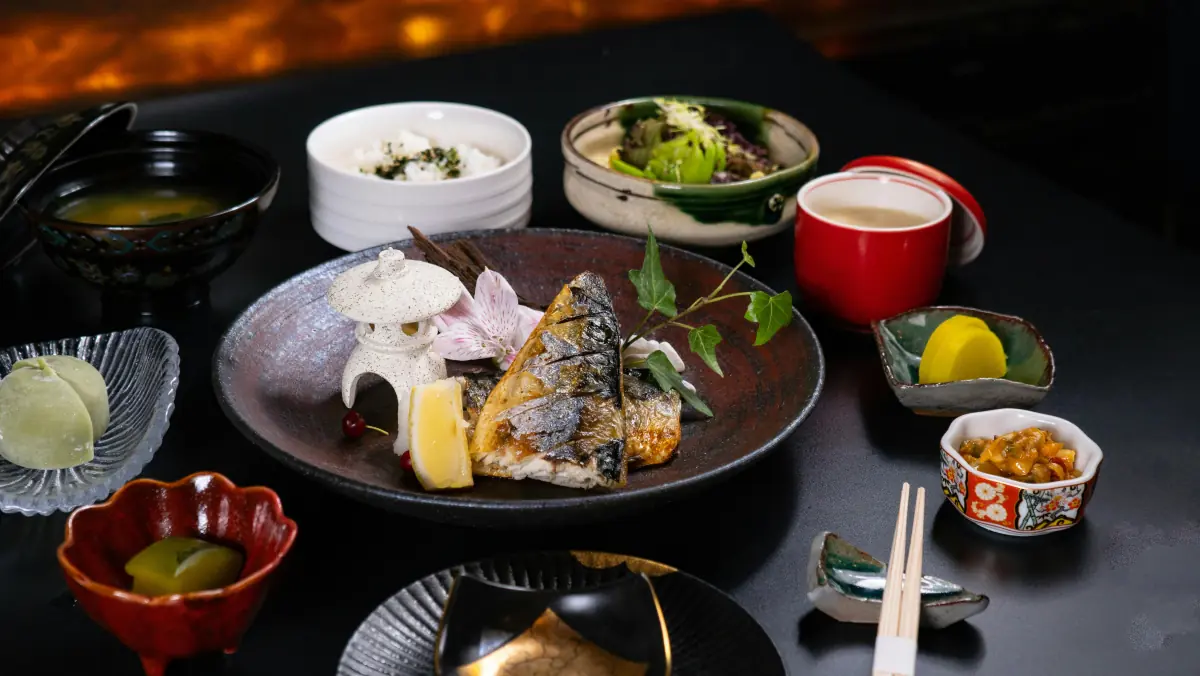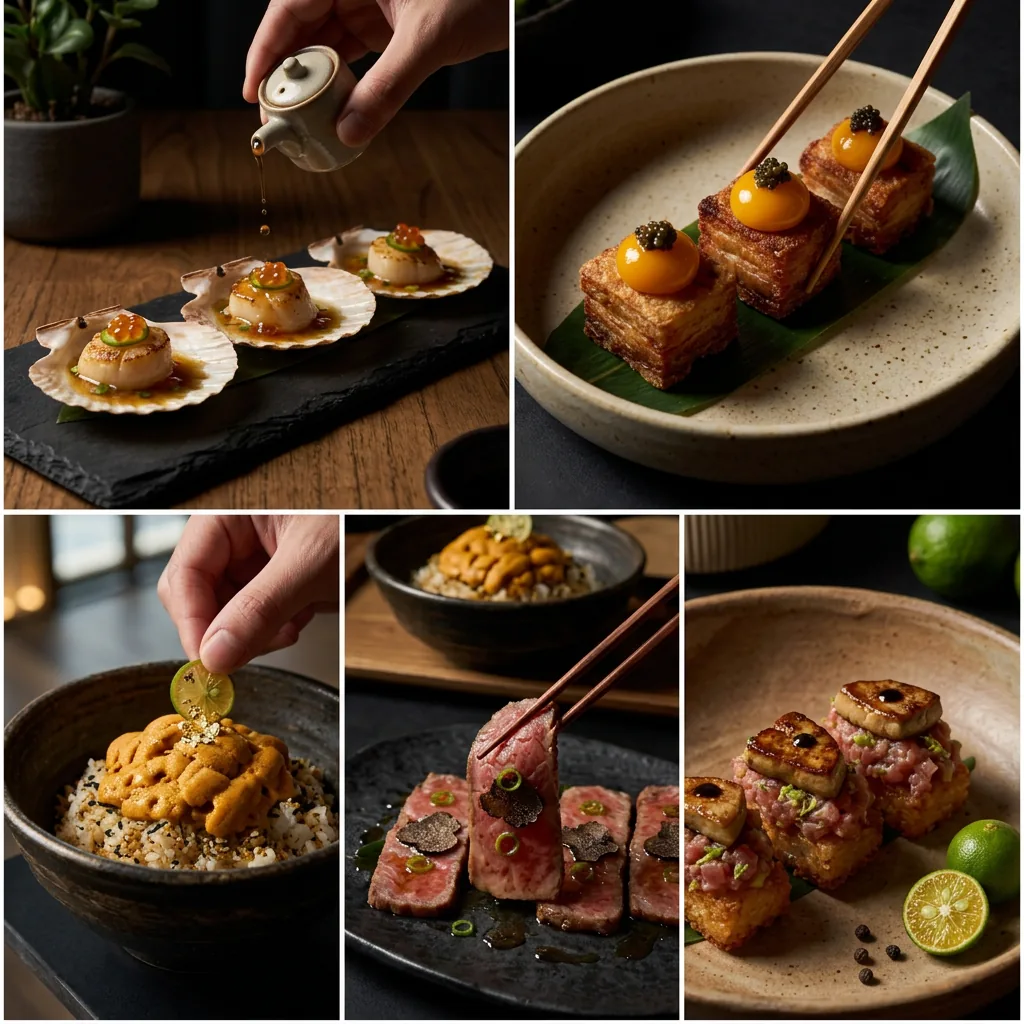

One of the most common reasons people hesitate before booking a private chef in Montreal is the worry that dietary restrictions will complicate the experience — that someone at the table will end up with a reduced version of the menu, or that the chef will work around constraints in a way that feels apologetic. That is not how Elieatable works. Dietary restrictions are part of the brief from the start, and the menu is designed around them, not despite them.
How Restrictions Are Handled at Booking
The process begins at the booking stage. When you submit your request, you share any dietary restrictions, allergies, intolerances, and preferences that apply to any guest at the table. This information becomes part of the foundation of menu design — not a footnote added at the end.
Elie does not create a standard menu and then modify it for restricted guests. He builds the menu for your group as a whole, ensuring that every course works for everyone present. A guest with a shellfish allergy does not receive a workaround plate while others get the original. They receive a dish designed to be excellent on its own terms, that happens not to contain shellfish.
This approach takes more thought and planning on the chef's side — which is precisely why it matters. It reflects a genuine respect for every person at the table, not just the majority. And in practice, guests with dietary restrictions often remark that a private chef dinner was one of the first times they felt fully included rather than merely accommodated.
Common Allergies: What to Share
The most common allergies Elie encounters and works around regularly include:
Shellfish and crustaceans. One of the most common and potentially severe food allergies. If anyone in your group has a shellfish allergy, disclose it at booking with the severity level. Elie will build the menu without any shellfish or shellfish-derived products, including stocks and sauces.
Tree nuts and peanuts. These require careful attention not just in main ingredients but in finishing elements like garnishes, oils, and sauces. Full disclosure at booking allows Elie to source and prepare without any risk of contact.
Gluten. A gluten-free menu can be designed to be fully satisfying and flavourful. The constraint actually opens interesting creative directions — certain grains, rice preparations, and techniques that are inherently gluten-free become central rather than substitutional.
Lactose and dairy. Dairy appears in many classical techniques, but Elie's Asian-influenced approach already leans toward lighter preparations that translate naturally to dairy-free cooking. This is one of the more manageable accommodations without any loss of quality.
Eggs. Eggs appear in unexpected places — emulsions, sauces, certain elements. Knowing about an egg allergy in advance allows Elie to plan around it comprehensively, not just in the obvious places.
Dietary restrictions? Not a problem. Share your needs at booking and Elie builds the menu around your whole group.
Check AvailabilityDiets and Lifestyle Preferences
Beyond allergies, Elieatable accommodates a range of dietary lifestyles and preferences. These are equally integrated into menu design from the start.
Vegetarian. A fully vegetarian tasting menu is something Elie approaches with the same creative ambition as any other format. Plant-based ingredients offer tremendous range in texture, flavour, and visual appeal. The result is not a menu with the protein removed — it is a menu designed vegetarian from the ground up.
Vegan. A fully plant-based tasting menu is absolutely possible and executed with the same care. Umami, richness, and depth can all be achieved without animal products, particularly within an Asian-influenced cooking framework where fermented ingredients, mushrooms, and legumes play a central role.
Preferences and strong dislikes. You do not need a medical diagnosis to share a food preference. If someone at your table has a strong aversion to cilantro, offal, or simply does not enjoy fish — share it. A dinner should be enjoyable for everyone present, designed around what people actually like to eat, not just what they can tolerate.
Kitchen Safety and Cross-Contamination
For guests with severe allergies, one of the most important advantages of a private chef over a restaurant is the kitchen environment. In a restaurant, your dish is prepared in a kitchen simultaneously producing dozens of other dishes, sharing equipment, surfaces, and airspace with every allergen on the menu. Even with the best protocols, cross-contamination is a genuine risk that careful restaurants manage rather than eliminate.
With a private chef working in your home kitchen, the situation is fundamentally different. Elie brings his own equipment. He sources the ingredients. He is the only one preparing anything in that kitchen that evening. There are no shared fryers, no surfaces contaminated by a previous service, and no shortcuts taken under the pressure of a busy restaurant night.
For guests with anaphylactic allergies, this level of control can be genuinely reassuring. You know exactly who prepared the food, where the ingredients came from, and what is in every single element of every course. That certainty is something a restaurant cannot offer.
Booking With Dietary Needs
The process is simple: at booking, share the dietary needs of every guest at the table. Be specific about allergies (including severity), intolerances, dietary lifestyles, and any strong preferences or dislikes. More information is always better. Elie will follow up if he needs clarification, and will design a menu that works completely for your group.
There is no additional charge for dietary accommodations. They are part of the standard service, not a special request that costs extra. Every guest deserves a great dinner, and that is the baseline Elie starts from. Book now and share your dietary details — they are in safe hands.