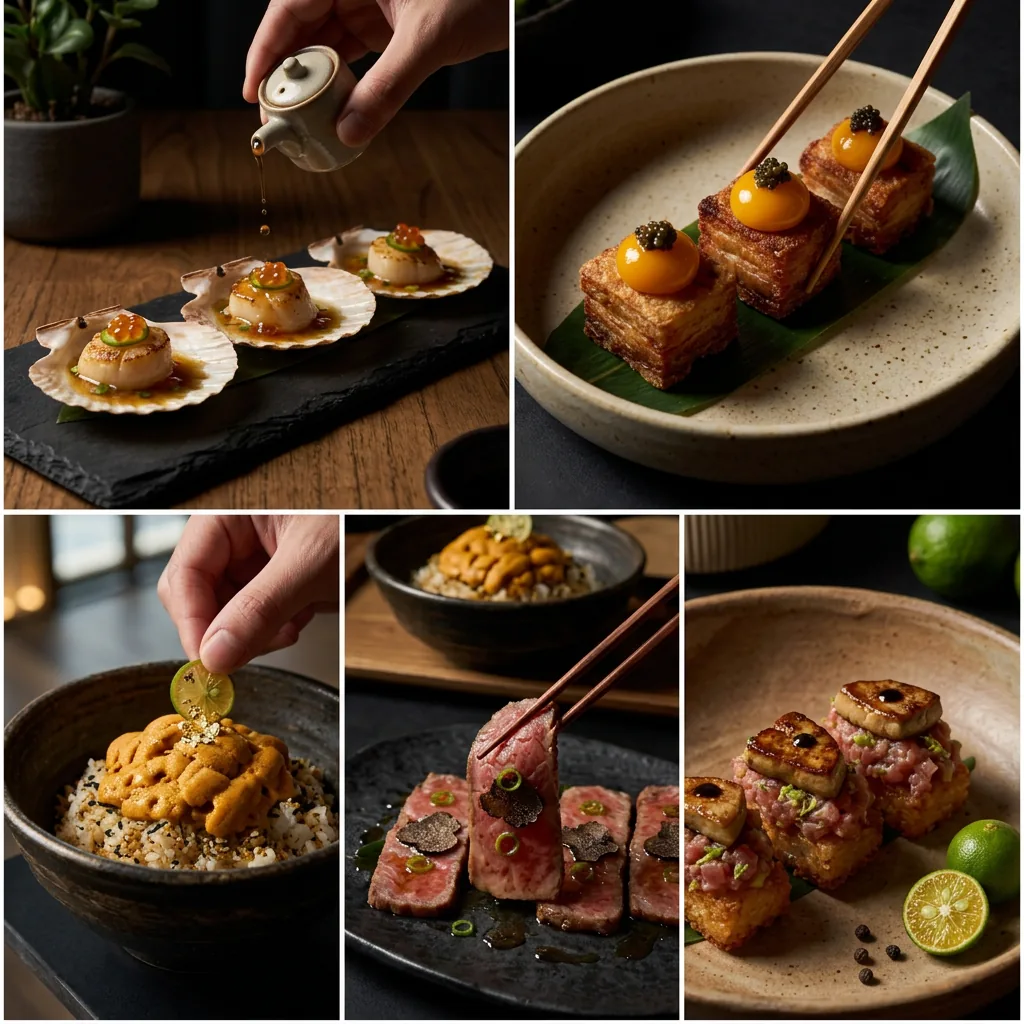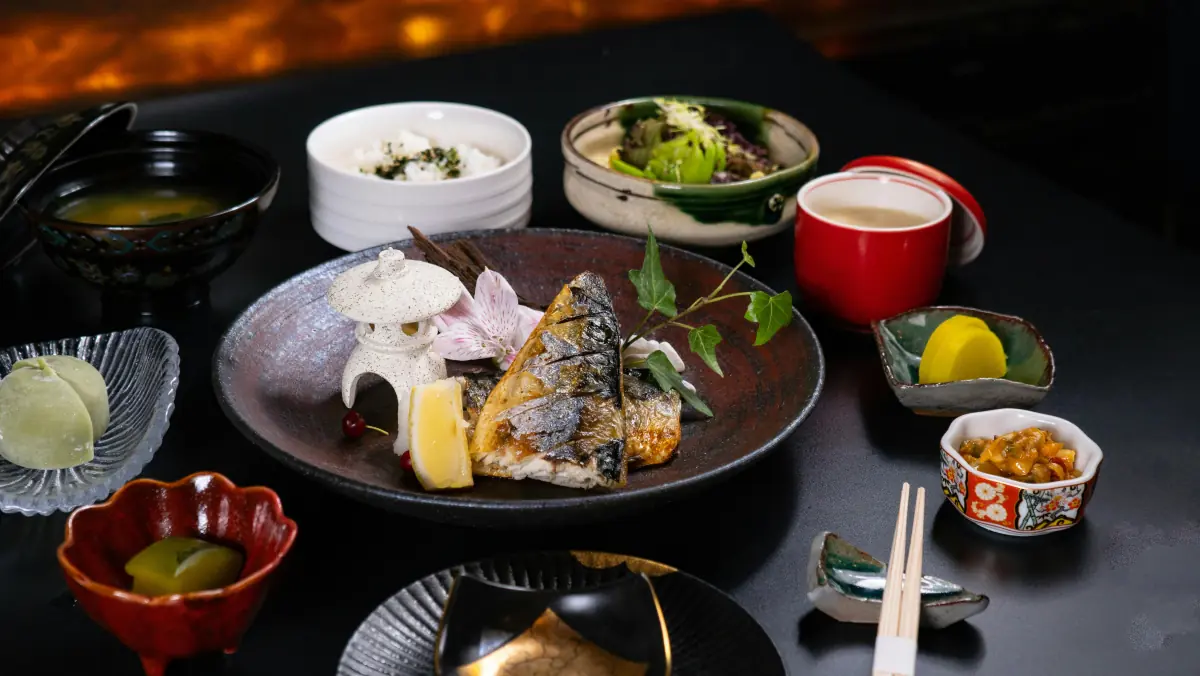

There is a particular kind of dinner that stays with you for years — the kind where you could not quite predict the next dish, where every course felt like a small revelation, and where the evening seemed to unfold at exactly the right speed. That is what a chef's choice private dining experience with Elie is designed to be: a genuine tasting menu, built for your group, served in the comfort of your own home.
What Is a Tasting Menu, Really?
A tasting menu is not simply a lot of food. It is a narrative — a carefully sequenced series of courses that take a diner on a journey from the lightest, most delicate bites at the start to the richest, most satisfying flavours at the finish. The French term menu dégustation captures something important: the word déguster means to taste with attention, to savour slowly rather than consume quickly.
At its core, a tasting menu typically spans five to seven courses, though this can expand depending on the occasion and the chef's vision for the evening. Each course is proportioned modestly — you should finish the last dessert feeling fully satisfied, not uncomfortable. The goal is depth and variety, not volume.
What separates a private chef tasting menu from the restaurant version is everything that surrounds the food. There is no background noise from adjacent tables. There is no fixed seating time. No waiter appearing at an inconvenient moment. The meal unfolds in your home, at your pace, framed by whatever music you chose to play and lit however you set the room.
How Elie Builds the Progression
Elie designs each tasting menu from scratch for the specific group and occasion. Nothing is pulled from a fixed template. The starting point is always the same conversation: who are your guests, are there any dietary restrictions or strong dislikes, is there a flavour profile you love or one you would rather avoid, and what is the occasion? From that information, a menu begins to take shape.
The structure follows a classic arc. An amuse-bouche opens the evening with a single, perfectly balanced small bite that sets the tone. It might be a scallop on a smear of yuzu cream, or a tiny crisp filled with a bold umami punch. It is the chef's way of saying: pay attention, this is going to be worth it.
From there, the progression moves through cold courses — delicate, bright, acidic — designed to awaken the palate. Then warm starters, a mid-course that bridges lightness and richness, a main of greater depth and body, and finally dessert, which at its best offers a final emotional resolution to the whole story of the meal.
Seasonality is always present. Elie works with what is genuinely excellent right now rather than forcing ingredients that are not at their peak. A spring menu reads differently than an autumn one, and that difference is not decorative — it is fundamental to the quality of what lands on your plate.
Ready to experience a tasting menu in the comfort of your own home? Elie designs each progression personally for your group.
Check AvailabilityThe Service: Pace, Timing, Atmosphere
One of the questions people ask most often is: how long will this take? A well-paced tasting menu at home runs approximately two to three hours from first bite to last. That might sound long, but it rarely feels it. The intervals between courses are part of the experience — time to talk, to reflect on what you just tasted, to refill your glass and settle deeper into the evening.
Elie is present throughout, working in your kitchen while you dine. He reads the rhythm of the table. If conversation is flowing and guests are lingering over a course, he holds the next one. If the energy is lively and forward-moving, he keeps pace. This responsiveness is something no restaurant can offer, because a restaurant must manage dozens of tables simultaneously. You have Elie's full attention.
After the final course, Elie quietly cleans the kitchen and leaves. You and your guests stay exactly where you are, in whatever state of happy satisfaction the meal has produced, with no bill arriving and no taxi to order before you are ready.
The Asian Fusion Approach
Elie's culinary background is built on a deep respect for Asian technique — particularly the Japanese philosophy of restraint, precision, and respect for the ingredient. The influence is not superficial. It is not a matter of adding sesame oil to a French sauce and calling it fusion. It is a genuine integration of two culinary traditions, where the structure of a Western progression meets the flavour logic of East Asian cooking.
You might find a dashi-based broth with extraordinary clarity, or a tartare seasoned with a delicate miso emulsion, or a slow-cooked element finished with a touch of ginger that lifts and sharpens the whole dish. The Asian influence tends to appear in the seasoning layer — in the way umami is built, in the use of brightness and acidity to balance richness, in the precision of portion and presentation.
The result is cooking that feels simultaneously refined and personal — recognisably elegant, but impossible to assign to a single culinary tradition. Guests often struggle to describe it precisely, which is usually the highest compliment a chef can receive.
Booking Your Tasting Menu Evening
Booking an Elieatable tasting menu is straightforward. You reach out via the booking page, share the details of your evening — date, guest count, occasion, any dietary needs — and Elie will confirm availability and follow up with questions to begin shaping the menu. There is no decision fatigue on your end: the menu is his gift to you, designed in advance, arriving at your table as a complete surprise unless you prefer to know ahead of time.
The experience works beautifully for intimate groups of two to eight. For two, the tasting menu becomes something close to a shared ritual. For six or eight, it becomes one of those evenings everyone talks about for months afterward.
If you are ready to give your guests — or yourself — a dinner that goes beyond anything a restaurant can offer, book your tasting menu evening now and let Elie take care of everything from first course to final clean-up.